
Technology as Parent: Teaching The Veldt in the Digital Age
Technology shapes how we live, connect, and even how families interact. Ray Bradbury’s short story The Veldt offers a striking look at the dangers of overreliance on technology, especially when it replaces human connection. As educators bring this story into classrooms today, it’s crucial to explore its themes of dependency and emotional detachment through the lens of our digital age. This post examines Technology as Parent: Teaching The Veldt in the Digital Age - how The Veldt remains relevant, draws parallels with modern technology, and compares its dystopian features with current realities.

Technology as Parent: Teaching The Veldt in the Digital Age:
Understanding Dependency in The Veldt
In The Veldt, the Hadley family lives in a fully automated house that caters to their every need. The children, Wendy and Peter, become obsessed with the nursery—a virtual reality room that creates lifelike environments based on their thoughts. This dependency on technology replaces traditional parenting and emotional bonds.
The story warns about:
Overreliance on technology for comfort and entertainment
Substitution of human relationships with artificial experiences
Loss of parental authority and emotional connection
The children’s attachment to the nursery grows stronger than their bond with their parents. This shift leads to emotional detachment, where the children prefer the virtual veldt to real family interactions. The story’s climax reveals the dangers of this dependency, as the technology becomes a tool for rebellion and violence.
Emotional Detachment in the Digital Age
Today, many families face similar challenges. Smartphones, tablets, and immersive digital content often replace face-to-face communication. Children and adults alike can become emotionally distant, even when physically close.
Key signs of emotional detachment linked to technology include:
Reduced meaningful conversations
Preference for virtual interactions over real ones
Difficulty expressing emotions or empathy
Increased feelings of isolation despite constant connectivity
Educators can use The Veldt to spark discussions about how technology affects emotional health. Students can reflect on their own experiences with digital devices and consider ways to balance technology use with genuine human connection.
Modern Parallels to The Veldt’s Themes
Several modern technologies echo the story’s themes of dependency and detachment:
Virtual reality (VR) and augmented reality (AR) create immersive worlds that can captivate users, sometimes at the expense of real-world relationships.
Smart home devices automate daily tasks but can reduce family interactions around chores and routines.
Social media platforms offer constant connection but often lead to superficial relationships and emotional distance.
Streaming services and gaming provide endless entertainment, which can isolate users from family and friends.
For example, some families report that children spend more time in virtual games or social media than engaging with parents or siblings. This mirrors the Hadley children’s fixation on the nursery, showing how immersive technology can disrupt family dynamics.
Comparing The Veldt’s Dystopia with Today’s Reality
Bradbury’s story presents a dystopian vision where technology controls and ultimately harms the family. While today’s technology is not inherently malevolent, some dystopian elements are visible:
| Dystopian Feature in The Veldt | Modern Parallel |
|----------------------------------|-----------------|
| House automates all tasks, reducing human roles | Smart homes with voice assistants and automation |
| Children use virtual reality to escape reality | VR gaming and immersive digital worlds |
| Emotional detachment between family members | Increased screen time and reduced face-to-face interaction |
| Technology used as a weapon against parents | Online bullying, digital manipulation, and addiction |
The key difference is awareness. Today, many people recognize the risks of technology dependency and seek balance. Educational efforts, parental controls, and digital wellness movements aim to prevent the kind of breakdown seen in The Veldt.
Teaching The Veldt in the Digital Age
When teaching The Veldt, educators can:
Encourage students to analyze the story’s warnings about technology
Facilitate discussions on their own technology use and emotional connections
Assign projects comparing the story’s technology with current devices
Explore ethical questions about automation and family roles
Using multimedia resources, such as VR demonstrations or family technology surveys, can make lessons more engaging and relevant.
Practical Tips for Families and Educators
To address dependency and emotional detachment, consider these strategies:
Set technology-free times for family interaction
Encourage shared activities that do not involve screens
Teach children to recognize emotional cues and express feelings
Use technology as a tool to connect, not replace, relationships
Discuss stories like The Veldt to raise awareness about healthy tech use
Final Thoughts on Technology and Emotional Connection
The Veldt remains a powerful story for understanding the risks of technology dependency and emotional detachment. Its dystopian vision challenges us to reflect on how we use technology in our homes and schools. By drawing modern parallels and fostering open conversations, we can help young people build stronger emotional bonds while navigating the digital world.
_____________________________________________________________________________
Hope you've found something enjoyable in this blog post!! xx Anna from Tea4Teacher
_____________________________________________________________________________
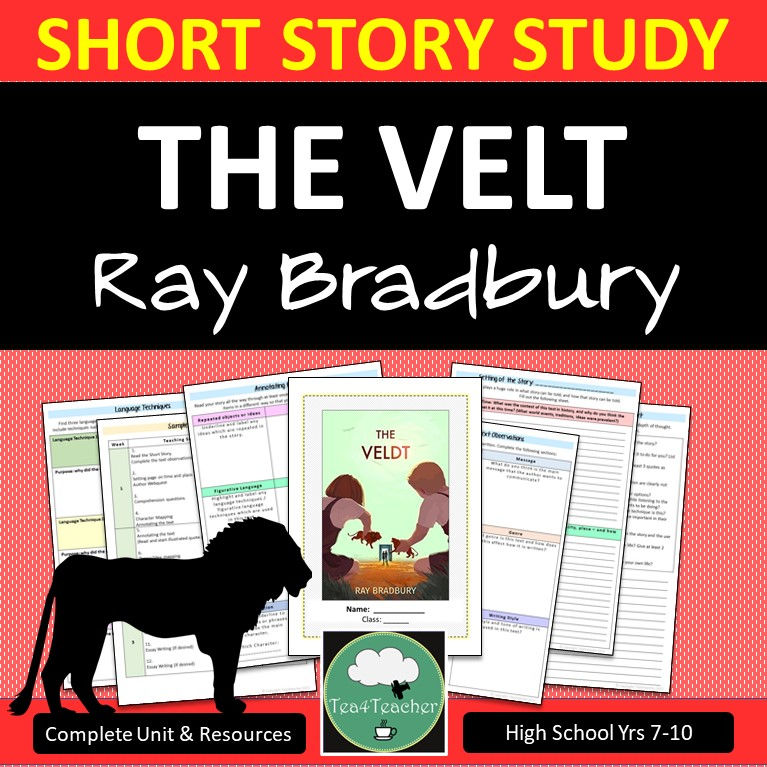
*Check out the great high school English resources available in the Tea4Teacher store!


Comments